
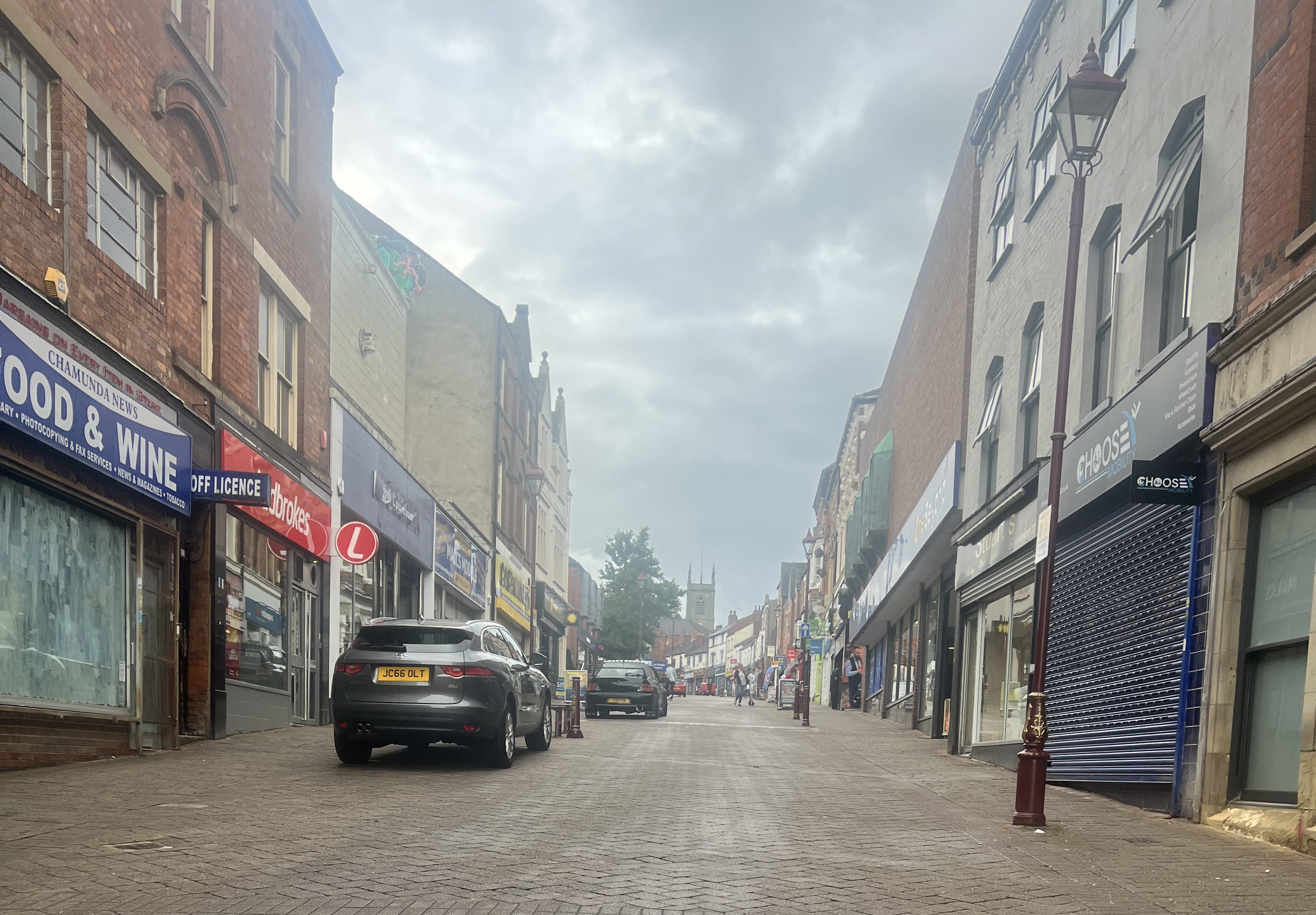
As councils across the country wrestle with a combined debt mountain of £122 billion, Erewash Borough Council is one of a small group of authorities in the UK to report no borrowing at all.
Council leader James Dawson calls it the product of “robust financial stewardship,” boasting that staying out of the red has freed up cash for a new £2m Erewash Investment Fund. On the surface, it looks like a triumph.
But dig a little deeper and the picture becomes far more complex.
⸻
Inherited discipline
Labour has been quick to celebrate Erewash’s debt-free status, but the truth is it’s not new. Under the Conservatives, the council was already operating with no external borrowing.
The audited accounts for 2021/22 state bluntly:
“The council has a policy of remaining debt free and therefore, does not have any external borrowing.”
At 31 March 2022, Erewash’s Capital Financing Requirement was £0 — meaning no underlying need to borrow. All capital spending that year was funded entirely through grants, reserves and capital receipts, not loans.
⸻
The price of zero debt
Erewash’s refusal to borrow has not come without sacrifices:
• Garden waste charges: Introduced in April 2024, residents now pay up to £37 a year for green bin collections — a service once included in council tax.
• Staffing reductions: Efficiency drives left a £948k underspend on staffing in 2023/24, achieved through vacancies and post deletions — but also leaving the council with fewer people to deliver services.
• Asset disposals: Council-owned land and buildings have been sold to fund essentials like refuse vehicle replacement, with the accounts warning future fleet replacement depends on further capital receipts being realised.
• Project slippage: Long Eaton’s Towns Fund projects underspent, with over £1.2m carried forward into later years due to delays.
So yes, Erewash is debt-free — but it has come at the cost of charges, cuts, and sell-offs.
⸻
From warning to celebration
It’s also worth remembering that just last year, Dawson himself was warning that the “government squeeze is taking its toll”, citing a funding gap running into millions and signalling new charges and asset sales were on the table. His finance lead, Cllr Gordon Thomas, pointed to a £4bn national gap and warned half of councils could face bankruptcy.
Fast forward to 2025 and the same leadership is celebrating the very same “debt-free” position as a mark of success.
⸻
Smart strategy or missed chance?
Supporters argue debt-free status proves Erewash is safe and well-run, avoiding the disasters seen elsewhere. In a time of national chaos, residents may prefer stability to risk.
Critics counter that zero borrowing is timidity in disguise. While other councils borrow to build housing, regenerate town centres and invest in infrastructure, Erewash risks standing still. The borough may be debt-free — but is it also opportunity-free?
⸻
The debate
Debt-free Erewash is both an achievement and a puzzle. It shields the council from the risks of heavy borrowing — yet residents now face new charges, fewer staff, asset sales, and delayed projects.
The real question isn’t whether Erewash is debt-free. It’s whether staying that way helps the borough thrive, or keeps it treading water.
⸻
💬 What do you think?
Is zero debt the mark of good governance – or the reason Erewash risks being left behind?