 Skip to content

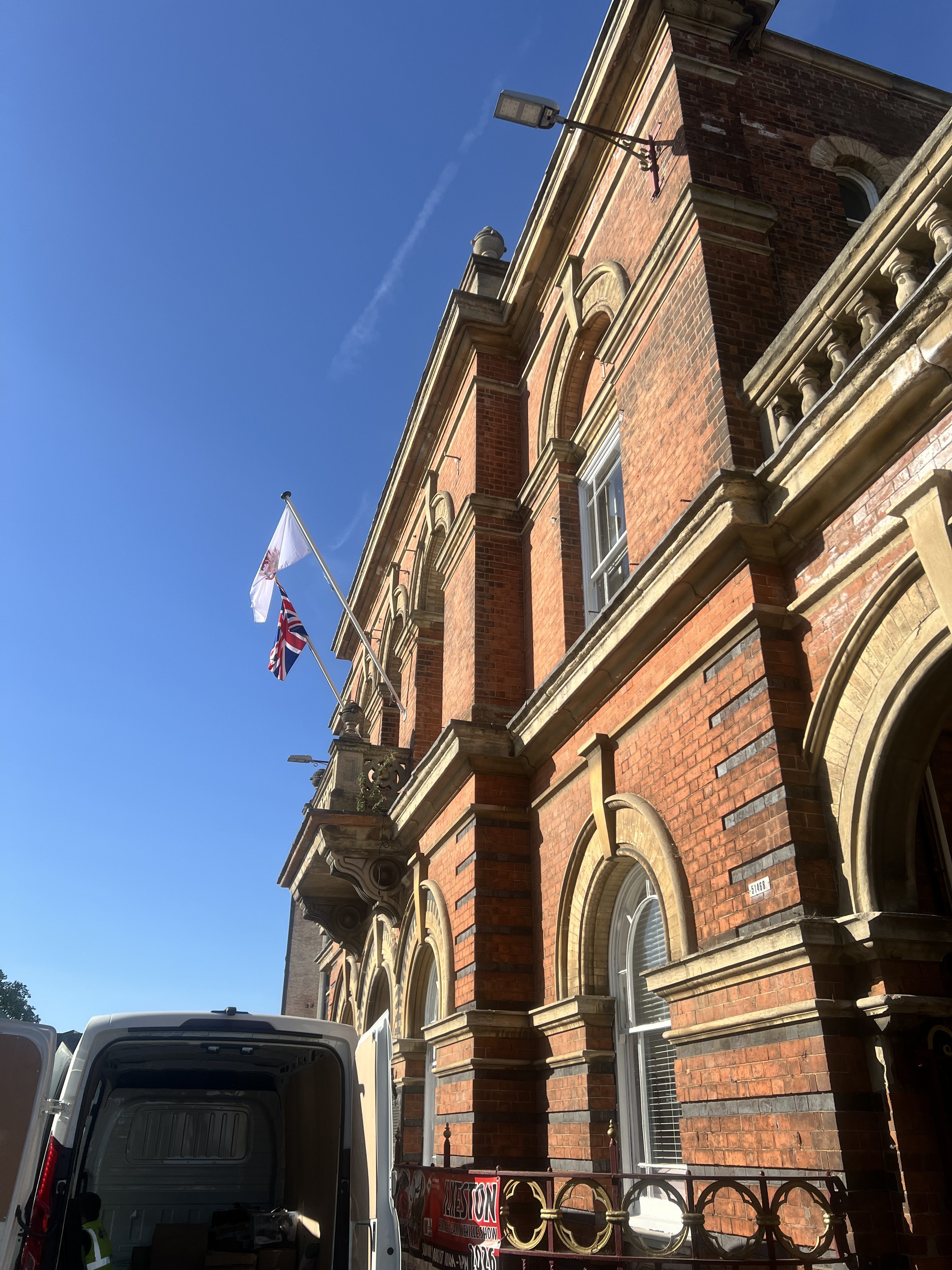
Councillors have approved the next stage of Erewash’s new Local Plan despite concerns over housing targets, pressure on public services and the future of the borough’s Green Belt.
Plans to accommodate nearly 6,800 new homes across Erewash over the next 13 years have moved a step closer following a heated debate at an Extraordinary Council meeting. Erewash Borough Council voted on Wednesday evening (4 November) to approve the next stage of consultation on its new Local Plan, which will shape future housing, employment, infrastructure and development across the borough.
The emerging plan sets out an objective to deliver 6,799 homes between 2027 and 2040, equivalent to an average of approximately 523 new properties every year. It also proposes a minimum of 1,500 homes for social rent, alongside an ambition to create at least one new local job for every home built.
However, opposition councillors raised concerns about whether the borough’s roads, schools, GP surgeries and other essential services could cope with the scale of development being proposed. The council’s Labour administration defended the plans, arguing that Erewash faces a serious housing shortage and that the consultation is an opportunity for residents to influence how future development should take place.
Concerns over roads, schools and GP surgeries
During the meeting, Councillor Major questioned whether the council had demonstrated how the infrastructure needed to support thousands of additional homes would be delivered. He argued that existing roads, schools and GP surgeries could not simply be expected to absorb significant population growth without firm commitments to additional infrastructure.
He also challenged the proposal to create one new local job for every home built, questioning how that ambition would be achieved and whether any mechanism existed to ensure it happened. Other opposition councillors expressed similar concerns, particularly about development in rural communities where public transport and access to essential services can already be limited.
Councillors raised the difficulties residents face obtaining GP appointments, securing school and nursery places, and accessing shops and other facilities without relying on cars. While acknowledging the need for additional housing, opposition members argued that the council must provide greater detail about how its ambitions would translate into practical improvements.
What happens to the Green Belt?
The future of the Green Belt was another significant issue raised during the debate. The draft Local Plan includes an objective to protect the “heart of the Green Belt” while improving access to natural green space. However, councillors questioned what this commitment would mean for villages and countryside surrounding the borough’s main towns.
Concerns were raised about the possibility of further development on land that has been protected for decades, particularly in parish areas where roads and other infrastructure may already be under pressure. The wording does not amount to a commitment to protect every existing Green Belt site from development. Equally, the council has not yet identified which sites, if any, might be proposed for release from the Green Belt through the new Local Plan. A Green Belt Review is among the studies being prepared to inform the eventual decisions.
Council highlights housing shortage
Labour councillors strongly defended the need for additional housing, pointing to the number of people waiting for social housing and the difficulties faced by younger residents hoping to buy or rent their own homes. During the debate, councillors referred to approximately 5,000 people on the social housing waiting list and highlighted the circumstances of families living in temporary accommodation. They argued that providing more homes was both a practical necessity and a moral responsibility.
Councillor Broadhurst, who presented the report, explained that the overall housing requirement was derived from the government’s standard methodology rather than being a figure chosen independently by the council. He said the commitments to deliver at least 1,500 homes for social rent, pursue new employment opportunities and regenerate town centres reflected the administration’s own priorities.
Responding to concerns about job creation, he pointed to the role of allocating land for employment development and referred to the regeneration taking place at Stanton. Labour members also argued that the consultation process was precisely the opportunity for residents to raise concerns about infrastructure, housing locations and environmental protection.
The debate became politically charged, with members of the administration accusing opponents of resisting a consultation intended to give residents a voice. Opposition councillors rejected that characterisation, maintaining that their concerns related to the content and deliverability of the emerging proposals rather than opposition to public engagement itself. The recommendations were ultimately approved.
Where could the new homes be built?
One of the biggest unanswered questions is where the proposed housing development will take place. The council’s draft planning framework divides Erewash into three economic areas. The Ilkeston Economic Area includes Ilkeston, Kirk Hallam, West Hallam, Stanley Common, Stanley, Dale Abbey and Stanton-by-Dale. The other two areas cover Long Eaton and surrounding communities, and the Derby Fringe.
The proposed structure is intended to help the council consider housing, employment, transport and other services together, taking account of the relationships between towns and neighbouring villages. However, it does not establish how many of the 6,799 homes would be built within each area. The council’s published timetable does not anticipate identifying proposed development sites until May 2028 at the earliest. This means residents will have to wait before knowing which areas might be earmarked for significant housing growth under the new plan.
Residents to help identify brownfield sites
One of the new approaches proposed by the council is to invite residents to identify previously developed land that could potentially accommodate new housing or employment. The planned Brownfield Land Request will allow people to suggest sites in their communities using an interactive online map. The council intends to assess suggestions alongside information provided by developers and landowners.
During Wednesday’s debate, Councillor Major questioned whether the current consultation specifically invited residents to nominate brownfield sites. Councillor Broadhurst subsequently referred to the council’s engagement strategy, which sets out the separate brownfield exercise. According to the accompanying communications timetable, the exercise is scheduled to begin in January 2027. The council also plans to commission a wider residents’ survey and hold workshops involving parish councils.
Just over 100 responses to earlier Local Plan consultation
The council’s engagement strategy acknowledges that an earlier, stakeholder-focused Local Plan scoping consultation, held between 22 June and 17 July 2026, attracted just over 100 responses. The document describes this as less than 0.5% of the borough’s population. That exercise was primarily intended to gather initial views from stakeholders on what the new Local Plan should contain and how people should be involved in its preparation.
The council has recognised the need to reach a much wider audience as the Local Plan process progresses. Its revised engagement proposals include social media videos, printed information, more accessible consultation materials and opportunities for residents to discuss proposals in person. When detailed development sites are eventually published, the council also intends to write directly to residents in areas identified for growth.
What happens next?
The next Local Plan public consultation is scheduled to open on Tuesday 10 November and close on Tuesday 22 December 2026. Residents will be invited to comment on the emerging vision, objectives, policy themes and evidence proposed for the new Local Plan. The consultation will not ask residents to approve specific housing sites, as those have yet to be identified.
The council expects to publish its Proposed Local Plan, including potential development allocations, in May 2028, with adoption currently scheduled for April 2029. The new plan will eventually replace the borough’s existing planning policy framework and influence decisions on housing, employment, regeneration, transport and environmental protection.
For communities around Ilkeston, the central questions remain how much additional development will be proposed, where it could take place and whether the infrastructure needed to support it will follow. Residents can find further information through Erewash Borough Council’s website at https://www.erewash.gov.uk/newlocalplan.