 Skip to content

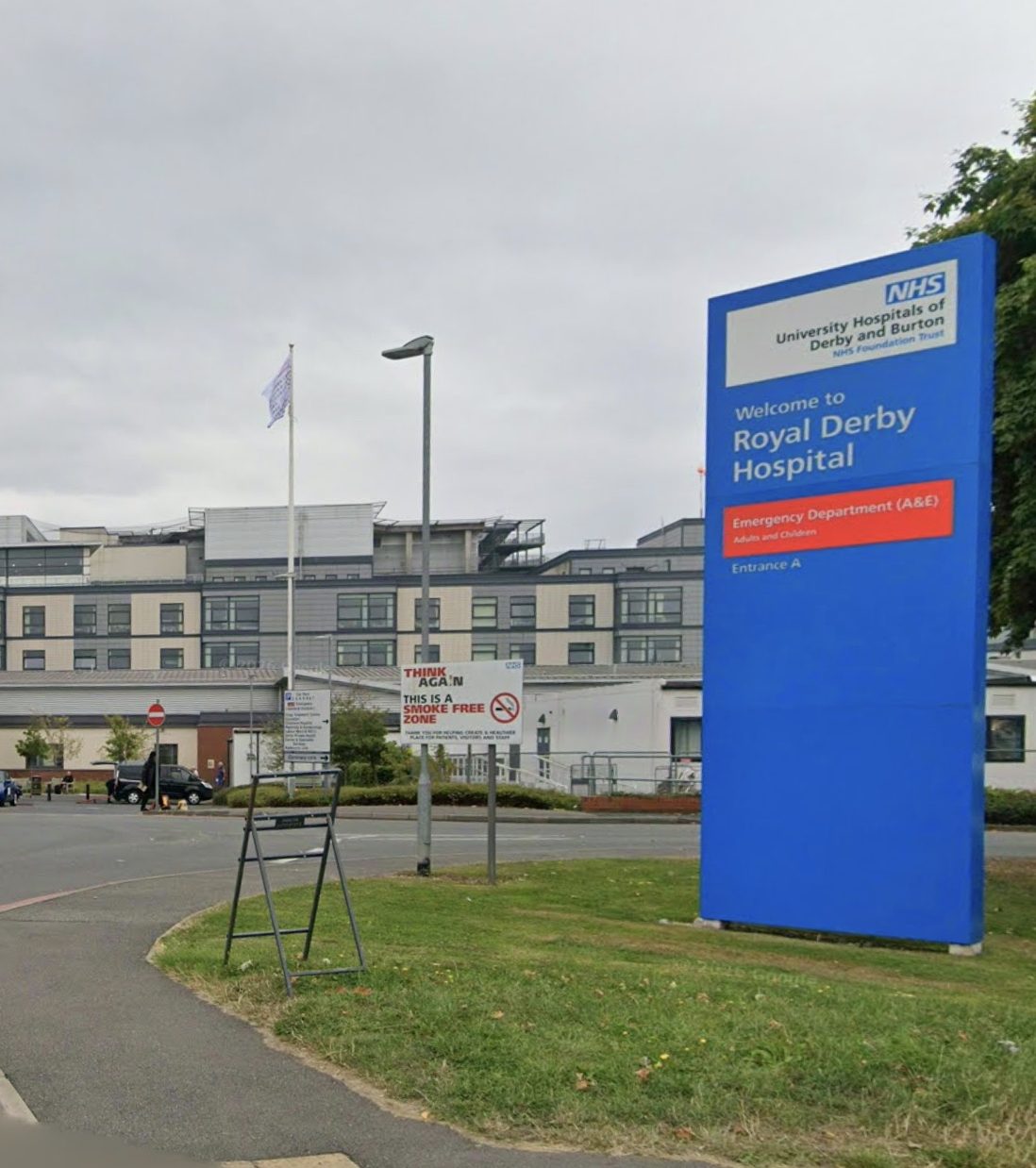
Patients from Ilkeston and across southern Derbyshire could face another difficult winter as the NHS trust responsible for Royal Derby Hospital warns of lengthy waiting times and mounting pressure on services.
Stephen Posey, chief executive of University Hospitals of Derby and Burton NHS Foundation Trust, has apologised to patients experiencing delays and acknowledged that the organisation needs to improve its performance.
The warning comes as figures reveal almost 100,000 overdue follow-up appointments across Derby and Burton’s hospitals, alongside continued pressure on emergency departments and concerns about patients receiving care in corridors.
Speaking at the trust’s board meeting on Tuesday 10 November, Mr Posey acknowledged the difficulties facing patients and staff.
“We’re very clear that we need to do better this winter,” he said.
Figures presented to hospital leaders show that 98,722 follow-up appointments were overdue at the end of October, well above the trust’s planned maximum of 85,474.
The largest backlogs were in ophthalmology, which deals with eye conditions, and cardiology, which treats heart-related conditions.
Hospital leaders have acknowledged that delays to follow-up appointments present a potential risk to patient care, particularly where patients require ongoing monitoring or treatment.
Dr Gis Robinson, the trust’s executive chief medical officer, acknowledged the frustration and concern caused by the delays.
The trust says it is reviewing waiting lists to prioritise patients according to clinical need, arranging additional appointments and making better use of existing clinics.
The latest NHS England figures provide further evidence of the difficulties facing the trust, which operates Royal Derby Hospital and Queen’s Hospital Burton.
During October, there were 33,220 A&E attendances across its services, but only 66% were admitted, transferred or discharged within four hours.
That was down from 67.5% in September and remained well below the national four-hour standard of 95%.
Hospital leaders have also acknowledged the continued use of corridor care when emergency departments become overcrowded.
During September, an average of 19 patients a day were receiving care in spaces not normally designated for patient treatment. The number reached 30 on 23 September.
The trust says some of these arrangements involve additional beds within clinical areas rather than patients being treated in corridors in the conventional sense.
Nevertheless, hospital leaders recognise that using such spaces can affect patients’ privacy, dignity and overall experience.
The pressures come after the Care Quality Commission published an inspection report in September rating urgent and emergency services at Royal Derby Hospital as requiring improvement.
Inspectors raised concerns about overcrowding, lengthy waiting times and staffing pressures.
Hospital bosses are now concentrating on reducing avoidable admissions, improving the flow of patients through emergency departments and helping patients who are medically fit to leave hospital sooner.
The trust plans to expand same-day emergency care, allowing suitable patients to be assessed, treated and discharged without needing an overnight hospital stay.
It is also working with GPs, ambulance services and community healthcare providers across Derbyshire and Staffordshire to reduce pressure on hospital services.
However, the trust has warned that the coming months are likely to remain challenging for both staff and patients.
Royal Derby Hospital provides emergency care, specialist appointments and planned treatment for many residents of Ilkeston and the surrounding area, meaning delays across the trust could affect local patients waiting for appointments, investigations or treatment.
For urgent but non-life-threatening illnesses and injuries, residents can also use the Urgent Treatment Centre at Ilkeston Community Hospital.
The centre is open seven days a week, from 8am until 8pm. Walk-in patients are accepted between 8am and 5pm, while appointments between 5pm and 8pm must be arranged through NHS 111.
Anyone unsure which NHS service they need can contact NHS 111 for advice. For life-threatening emergencies, patients should continue to call 999 or attend A&E.