 Skip to content

Erewash Borough Council could face difficult decisions over future spending after a delay to local government reorganisation left it facing a potential £1.25 million budget shortfall.
The council had been preparing to close in April 2028, when its responsibilities were expected to transfer to a new, larger authority. However, the Government has pushed the timetable back by a year, leaving Erewash having to reconsider financial plans drawn up on the assumption that it would no longer exist.
A report going before councillors on Wednesday 25 November reveals that the authority now expects to face a funding gap of £1.25 million in 2028/29, which it plans to cover largely by dipping into its reserves.
And while the council remains in a relatively strong financial position, its senior finance officer has warned that savings will be needed if it is to balance its books in future without relying on money set aside.
The change in timetable is particularly significant because Erewash had already committed millions of pounds to improvements across the borough, believing it had sufficient funds to support local projects before being replaced.
The council established a £6.5 million Erewash Investment Fund to pay for improvements to parks, public spaces and community facilities, initially allocating £2 million before increasing the fund by a further £4.5 million as its financial outlook improved.
At the time, the authority was working towards an April 2028 closure date and expected to have enough money left to cover its remaining running costs, prepare for reorganisation and pass reserves to its successor.
But the latest report acknowledges that the anticipated closure played a major part in the council’s financial strategy.
Officers say the advice given and decisions taken would have been different had reorganisation not been expected to proceed on the original timetable.
The Government paused the Derbyshire reorganisation process before announcing on 29 October that it would resume. Ministers also withdrew their previous decision on how the county’s councils should be reorganised, meaning the final arrangements are still to be determined.
New councils are now expected to take over on 1 April 2029, with elections for the proposed shadow authorities anticipated in May 2028, although both the final structure and timetable remain subject to further decisions.
The delay means Erewash must plan to continue delivering services for another year, at a time when its expenditure is forecast to rise faster than its income.
Its latest financial projections show a relatively modest shortfall of £81,000 in 2027/28, increasing sharply to £1.25 million the following year.
Should the council remain in existence beyond April 2029, the forecasts suggest the gap could widen to £1.88 million in 2029/30 and £2.42 million in 2030/31.
Those later figures illustrate the potential consequences of further delays rather than shortfalls the council will necessarily face.
For now, officers have recommended holding back any further allocation of unspent money from the Erewash Investment Fund.
Around £5.1 million of the £6.5 million fund is expected to be spent, leaving approximately £1.4 million that the council is not currently proposing to allocate to additional projects while uncertainty remains.
The report warns that further delays could mean those reserves are needed instead to meet running costs or fund essential capital expenditure.
Despite the concerns, Erewash is not facing an immediate financial crisis. It entered the current financial year with substantial reserves and no borrowing, and is forecasting an underspend of between £504,000 and £646,000 for 2026/27.
The council also expects to retain around £4.69 million in revenue reserves by April 2029, providing a financial cushion for any successor authority or against further delays.
However, the report makes clear that this position cannot be taken for granted indefinitely.
Officers have advised that savings will be required from 2028/29 if the council is to meet its running costs without continuing to draw on reserves.
Current financial plans assume that the council’s share of council tax and other charges will remain frozen in 2027/28, while councillors are also being asked to keep garden waste collection fees at their present level.
The proposed garden waste freeze alone would mean giving up between £50,000 and £100,000 in potential additional income.
Finance officers acknowledge that this is affordable in the short term, but warn it is not in the council’s best long-term financial interests.
The forecasts assume that fees and charges will rise from 2028/29, although no decision has been taken and the matter will be reconsidered after the existing borough council elections in May 2027.
As part of efforts to protect its financial position, the council is also being advised to continue its previously agreed programme of land sales, while setting aside £500,000 from revenue reserves towards future capital spending.
The challenge for councillors will be balancing their ambitions to invest in local communities with the need to ensure Erewash can continue paying for services until reorganisation finally takes place.
The report also warns against passing an unfunded budget deficit to a new authority, with officers recommending that sufficient reserves should be available to cover any shortfall.
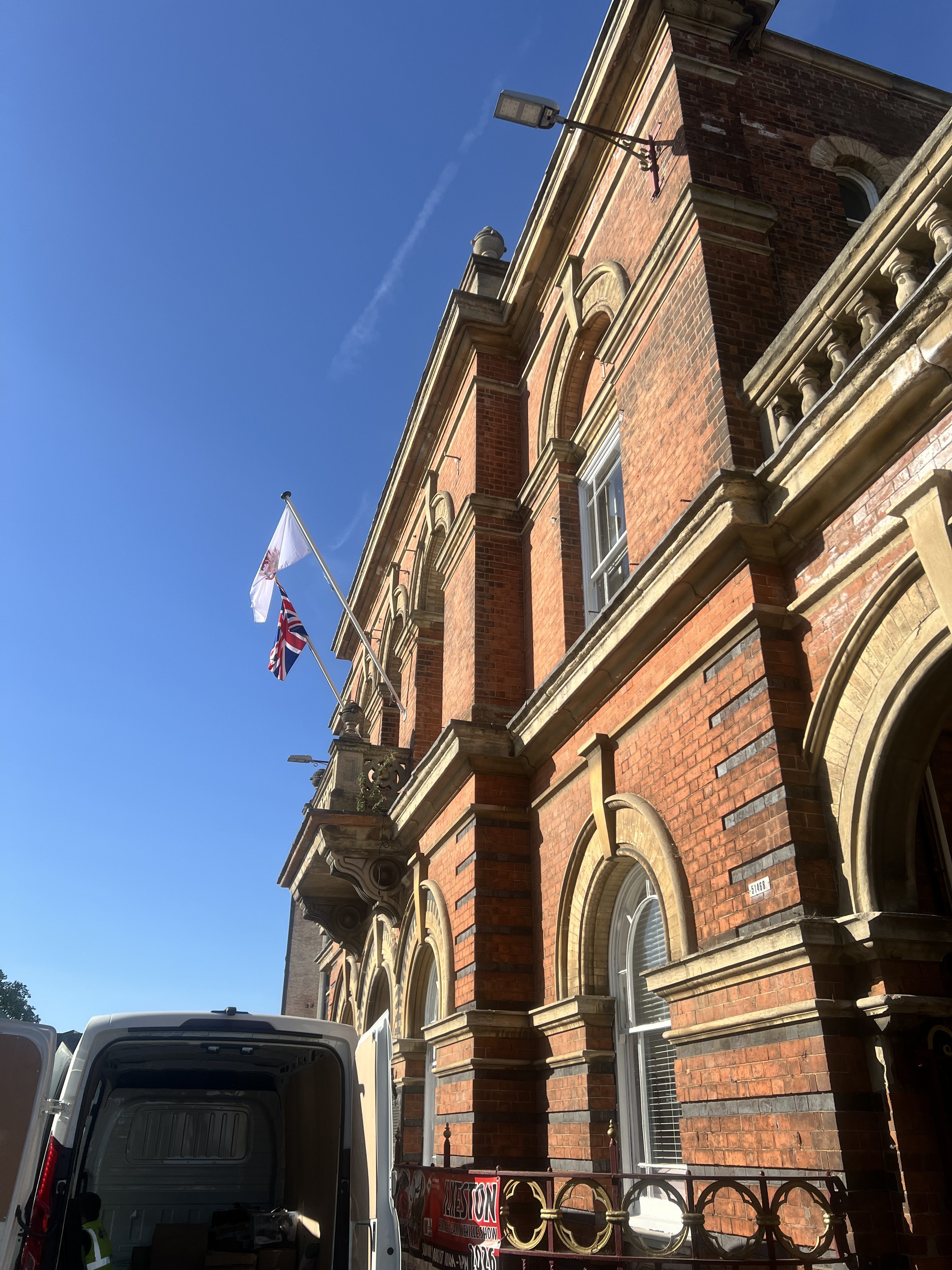
The financial position will be discussed at a meeting of Erewash Borough Council’s Executive at Ilkeston Town Hall on Wednesday 25 November, starting at 5pm.