
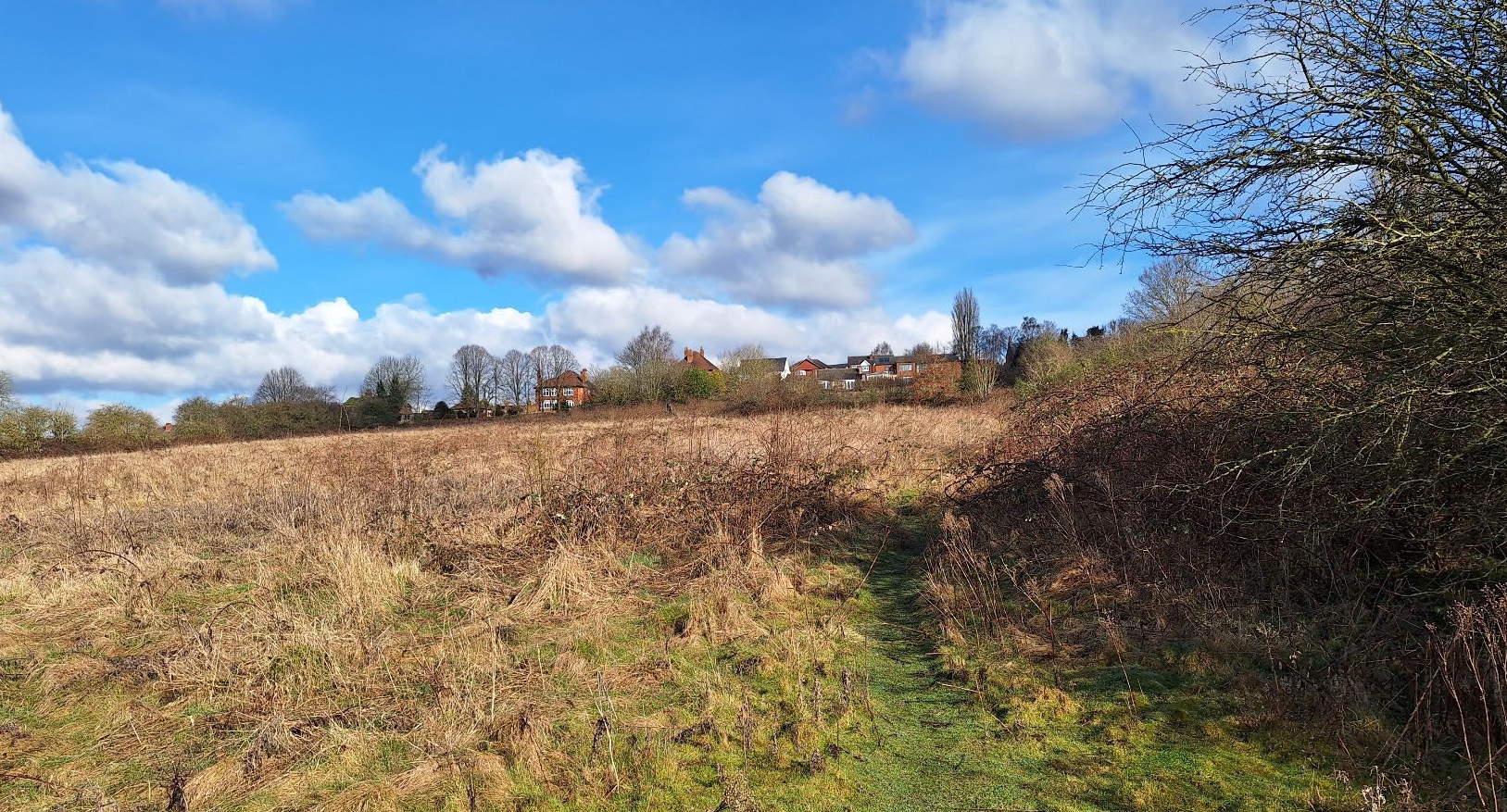
Ecological surveys carried out for the approved Oakwell Brickworks housing development in Ilkeston have identified a range of habitats and common wildlife species on the site, but found no evidence of certain protected species at the time of assessment.
The surveys were commissioned as part of plans to build up to 82 homes on land off Derby Road and were used by planning officers to assess whether ecological impacts could be managed through mitigation and planning conditions.
Habitats recorded on the site
Baseline ecological assessments describe the site as containing a mix of semi-natural habitats, including grassland, scrub, secondary woodland, hedgerows and areas of wet ground.
Ecologists note that many of these habitats are individually classified as low ecological value, largely due to their condition and species composition. However, they also acknowledge that the habitats are extensive and interconnected, forming links with surrounding woodland, open land and the Nutbrook corridor.
Some parts of the site were not fully accessible during surveys because of dense vegetation or wet ground, meaning assessments in those areas relied on visual inspection rather than detailed ground-level surveys.
Bat surveys
Surveys for bats found no evidence of roosts within buildings or trees assessed on the site at the time of inspection.
However, surrounding trees, hedgerows and woodland were identified as having potential value as foraging and commuting routes for bats moving through the wider area.
To address this, the development includes measures such as the retention of boundary vegetation, the creation of dark wildlife corridors and restrictions on artificial lighting near key habitats. Bat boxes are also proposed within retained and newly planted trees.
Great crested newts
A great crested newt eDNA survey was carried out on a nearby pond following recommendations in earlier ecological reports.
The test returned a negative result, meaning no great crested newt DNA was detected in the sampled waterbody at the time of testing.
Ecologists note that eDNA surveys provide a snapshot of conditions at the time of sampling and that surrounding habitats, including woodland and wet areas, remain suitable for amphibians more generally.
Birds and other wildlife
The surveys identify the site as supporting common breeding birds, small mammals and invertebrates, particularly within scrub, hedgerows and woodland edges.
Planning conditions require vegetation clearance to avoid the bird nesting season where possible, alongside the installation of bird nesting boxes and the retention and enhancement of boundary vegetation.
Hedgehog-friendly features, including gaps in fencing to allow movement through the site, are also proposed.
Biodiversity net gain measures
To meet statutory biodiversity net gain requirements, the development includes proposals for habitat creation and enhancement, including new woodland planting, species-rich grassland, wildflower areas and wetland features linked to surface water drainage.
Much of the biodiversity gain is focused within public open space, landscaped buffer areas and drainage features rather than private gardens. These areas will be subject to long-term management plans intended to improve ecological value over time.
Planning decision
Planning officers concluded that, while development would result in the loss of some existing habitats, ecological impacts could be mitigated through replacement habitats, retained green corridors and planning conditions.
They advised councillors that the proposals met policy requirements and that wildlife protection measures would be secured through enforceable conditions.
What happens next
As the development moves closer to construction, attention will turn to how ecological conditions are implemented and monitored, and whether mitigation measures deliver the intended benefits.
Ilkeston News will continue to follow progress on the Oakwell Brickworks site, including the discharge of ecological conditions and the delivery of biodiversity measures.
One Comment
The whole of the brickies was designated a wildlife site of special interest in 60s. It has only grown and thrived over the contaminated land. It’s an open green space for everyone. The rabbit field is vital to the creatures. There are non light polluted wide skies for buzzards and other birds of prey. So destroy habitats to pretend to make new habits elsewhere? How does unit make sense