
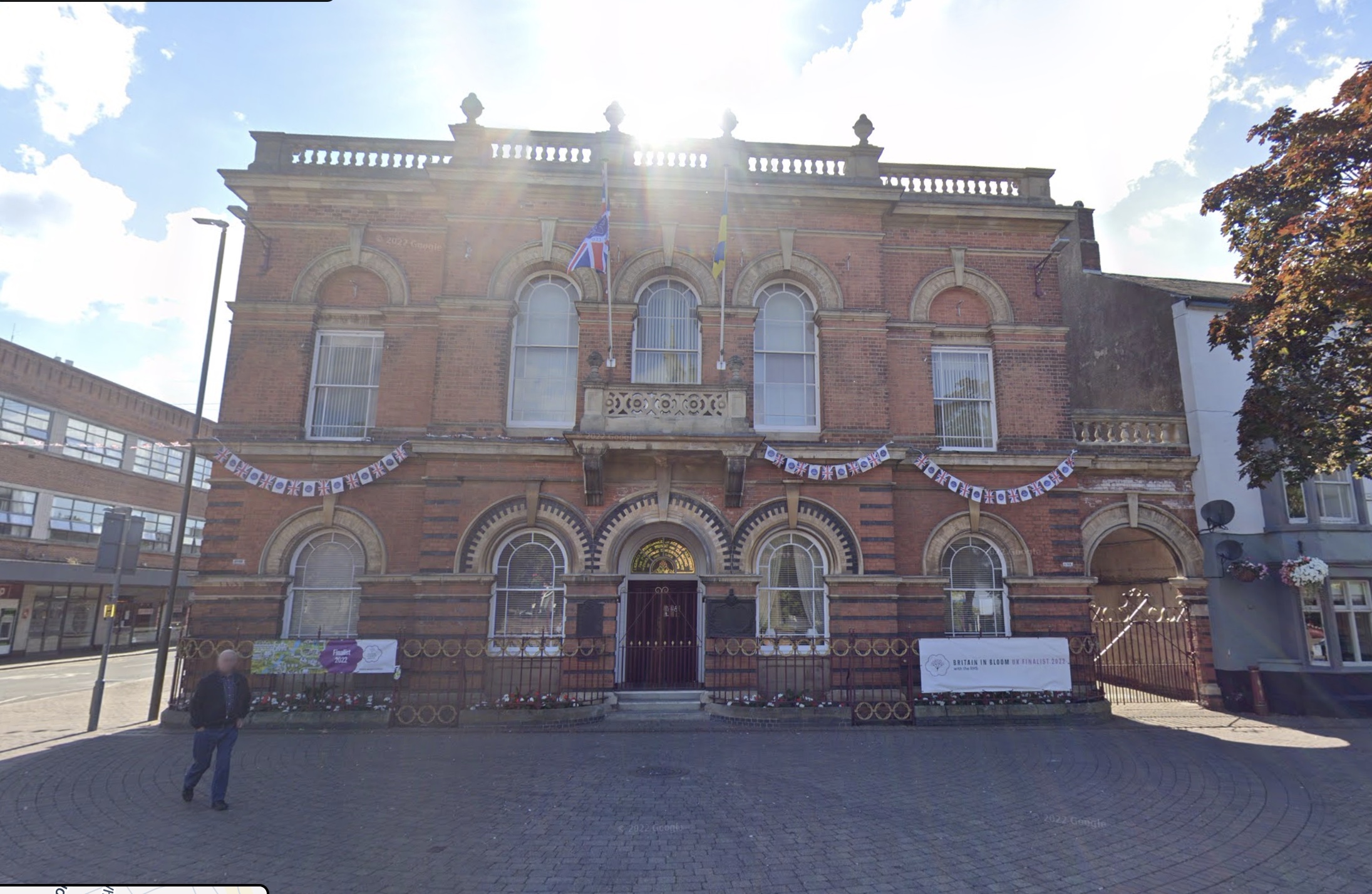
Erewash Borough Council has issued a strong response to the Government Planning Inspector who warned last month that the borough’s long term development plan was likely to be found unsound.
The new document, known as EBC18, is the Council’s official reply to the Inspector’s letter of 20 November. In that earlier letter, the Inspector raised major concerns about the evidence behind the plan, the proposed release of Green Belt land, the way new housing sites were chosen, and the overall strategy for how towns and villages should grow.
But in its response, the Council challenges many of those conclusions and asks the Inspector to reconsider her view.
Council says criticism is too harsh and the plan is still sound
The letter, signed by the Head of Planning and Regeneration, says the Council finds it “hard to see” how the Inspector has concluded that the plan is fundamentally unsound.
While the Council accepts that some of the supporting documents “may not have been easy to follow”, it argues that the overall approach is valid, the evidence is proportionate, and national planning rules do not require the extra layers of work the Inspector is demanding.
The Council also points out that the Government recently reminded Inspectors that Local Plans should be based on “adequate and proportionate evidence” rather than excessive technical detail.
Questioning the Inspector’s view of how sites were chosen
A large part of the Council’s response focuses on how development sites were selected and how the Green Belt was assessed.
The Inspector had said the Green Belt work was “flawed” and did not explain clearly enough why certain fields were being removed from protection. The Council disagrees. It says the Sustainability Appraisal, which examines different growth options and compares impacts, is the correct legal basis for choosing sites, and the Green Belt review simply checks whether individual sites cause harm.
The Council questions why a full borough wide review of every piece of Green Belt land would be necessary when only specific sites are being considered. It also notes that no neighbouring councils objected to its Green Belt approach, and the development industry supported the method used.
Settlement hierarchy and village roles
The Inspector had criticised the lack of clarity about how different towns and villages were expected to grow.
The Council argues that its settlement hierarchy is already in line with national policy, and that the main strategy for where growth should go has never been challenged. It says that if the Inspector wants a clearer summary of this hierarchy in the plan, this could easily be added as a minor modification.
Transport evidence and modelling to 2037
The Inspector also highlighted problems with transport modelling, saying it did not reflect the extended plan period to 2040.
The Council responds that modelling to 2037 is reasonable, because almost all housing sites would be built by that date and modelling further ahead becomes unreliable. It also says the March 2025 Transport Assessment does include all the new allocations and has been agreed with Derby City Council for key cross boundary issues.
The Council asks the Inspector to explain why this would be enough to find the plan unsound.
Green Belt improvements and “white land”
On the subject of compensatory improvements to the Green Belt, the Council says the plan already includes investment in key walking and cycling routes and green corridors. If more clarity is needed, it suggests simple wording changes rather than major rewrites.
The Council also explains that its use of the term “safeguarded land” was meant to describe land that would become normal planning land, or “white land”, once the plan is adopted. It asks the Inspector why this could not be corrected through a minor modification.
Council fires 21 questions back at the Inspector
Rather than producing new evidence immediately, the Council has sent the Inspector 21 detailed questions, asking her to set out:
- exactly what further evidence she believes is required
- why certain parts of the plan are considered unclear
- and why potential changes cannot simply be made by the Inspector herself through main modifications
The Council suggests that many of the issues raised do not point to fatal flaws, but simply areas that could be clarified or adjusted before adoption.
What happens next
It is now up to the Planning Inspector to respond to the Council’s letter.
She can:
- accept the Council’s explanations and proceed with the examination,
- ask for further changes or evidence,
- or confirm that the plan cannot continue in its current form.
Either way, the future of Erewash’s long term development plan remains uncertain.
Ilkeston News will continue to follow the process closely as the next steps unfold.