
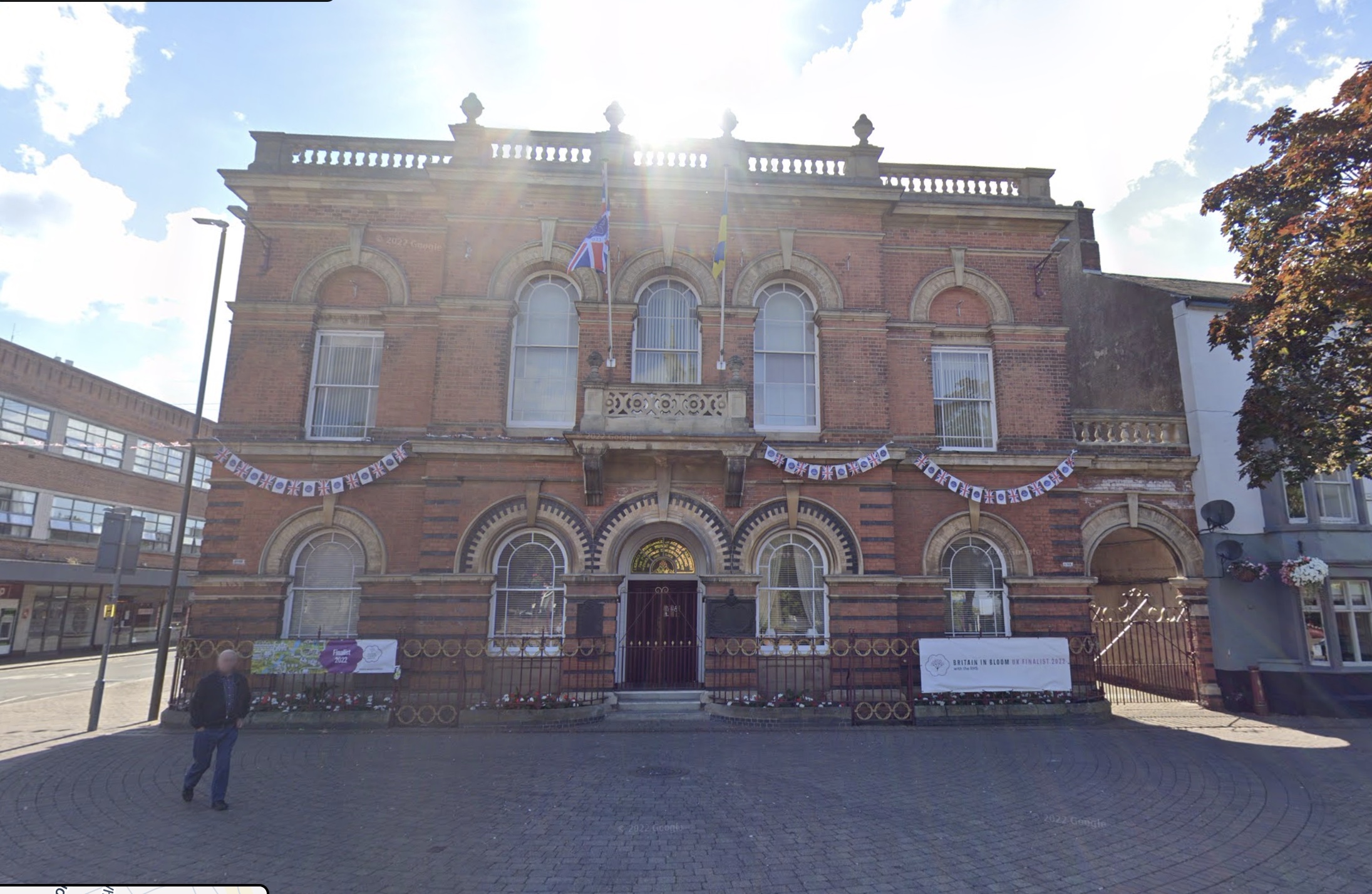
Erewash Borough Council has approved the write-off of nearly £400,000 in unpaid debts that are considered no longer recoverable.
A report presented to the Council Executive confirmed that a total of £399,107 will be written off in line with the authority’s financial regulations.
The debts include:
- £95,251 in unpaid Council Tax
- £266,626 in unpaid Business Rates
- £37,229 in other outstanding debts
Why are debts written off?
The council says write-offs are a standard part of financial management when debts cannot realistically be recovered.
This can happen for a number of reasons, including individuals or businesses no longer being traceable, insolvency, or cases where recovery action would cost more than the debt itself.
According to the report, writing off these amounts ensures the council’s accounts accurately reflect what is still owed and prevents unrealistic figures being carried forward.
What happens next?
Although the debts are written off from the accounts, this does not necessarily mean recovery action has never been taken.
In many cases, councils will have already attempted to recover the money through enforcement processes before deciding it is no longer viable to pursue.
The write-off was approved as part of routine financial reporting and follows the council’s agreed policy on handling unrecoverable debts.
💬 The figure is significant – but councils say it’s a normal part of managing public finances.
What do you think – should more be done to recover unpaid debts, or is this just part of the system?