
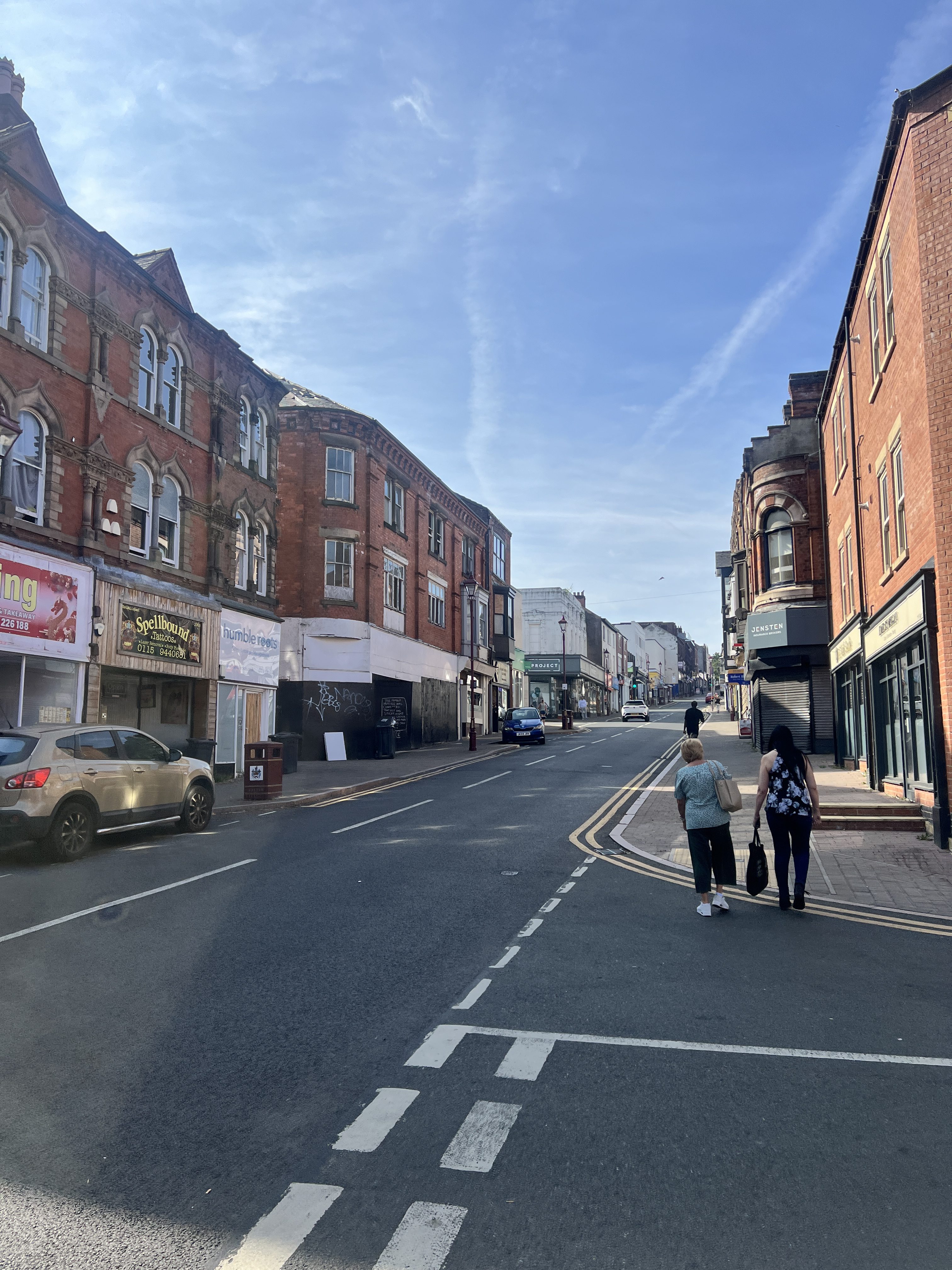
When Ilkeston News asked residents what they wanted from the council’s town-centre parking policy, we expected completely free parking to win easily.
It didn’t.
Around 500 people responded to our poll. That is only a small proportion of the borough’s population and we have never presented it as a formal public consultation, but the result was clear: restoring the first hour of free parking was the most popular option.
More important than the number of votes were the comments explaining why people had chosen it.
Residents described the difference it would make when collecting a prescription, buying a loaf of bread or a newspaper, meeting someone for a quick coffee or visiting an independent shop. Business owners explained the effect they believed parking charges were having on footfall and the number of people making short, spontaneous visits.
These were not demands for unlimited free parking. They were thoughtful responses from people explaining how one free hour could remove a barrier to using their town centre.
That is why the subsequent introduction of free parking on Saturdays felt as though it fell a little flat. It was welcome, but it did not address the concerns raised by many of those who responded to our poll.
When we reported last week that the first free hour could be considered again, the article prompted a substantial response. Once more, residents and business owners explained why they believed the change would help.
Taken together, the responses suggest this is what many people want.
What the data cannot show
During Thursday’s council debate, councillors explained that the decision to offer free Saturday parking had been based on ticket data.
Saturdays consistently recorded some of the highest ticket sales, so the council concluded that removing charges on that day would save money for the greatest number of motorists.
On the surface, that sounds entirely reasonable. It is a decision based on evidence rather than assumption.
But it also reveals the flaw in the thinking.
The data only records the people who already use the car parks and buy a ticket. It cannot count those who decide not to visit Ilkeston or Long Eaton because parking adds another £1.50 to a small purchase.
It cannot capture the person who considers popping into town for a loaf of bread, a newspaper or a coffee but goes somewhere else where parking is free.
It cannot show the customer who no longer visits an independent business or the spontaneous purchases which are never made.
By concentrating on the busiest day, the council has given free parking to many people who were already choosing to visit. That will save those motorists money, which is welcome, but it does not necessarily create additional footfall during the quieter parts of the week.
Short visits still matter
Councillors opposing the free hour argued that modern town centres increasingly rely on cafés, restaurants, micropubs and personal services. They said one hour might encourage visitors to rush back to their cars rather than stay longer.
But free parking for the first hour would not require anybody to leave after 60 minutes. Anyone wanting to browse, have lunch or spend an afternoon in town could simply pay to stay longer.
Its purpose would be to make the shorter visit easier.
A town centre needs people enjoying meals and spending several hours there, but it also needs residents collecting prescriptions, using services and making small purchases. Those brief visits contribute to footfall and can lead to other spending.
For some people, £1.50 may not seem significant. But when it is added to a small purchase, it can be enough to make a trip into town feel poor value – particularly when retail parks and supermarkets offer free parking.
This should not be about party politics
This is not about whether somebody supports Labour, Reform UK, the Conservatives or any other party.
The proposal for one free hour was a targeted attempt to remove the cost from short visits while retaining income from people staying longer.
The council may believe its Saturday policy will prove successful, and it is fair to allow time for evidence to emerge. But it should not overlook what residents and businesses have repeatedly said simply because their experiences do not appear in the ticket-sales data.
Data is valuable, but only if it measures the right thing.
Saturday ticket sales showed when existing customers were already parking. They did not show how many people were being deterred from visiting during the week.
The first-hour-free proposal offered an opportunity to test whether removing that barrier could help bring some of those people back.
The proposal was defeated by Labour councillors, who hold the majority on Erewash Borough Council.
Whatever party you support, that feels like a missed opportunity for our high streets – and a disappointing decision for the residents and businesses who believed they had offered a practical solution.
One Comment
The council are effectively turning people away and reducing purchase power to both the towns hospitality and shops sector and bank use by this. Not only have they refused a free hour’s parking but for those ‘popping into Ilson’ a while back they also dropped a short period fee, meaning if you only have to fetch a prescription from say Boots, need to visit the bank, pop up to the library or fancy a quick drink (thus supporting the struggling local hospitality businesses), you have to pay not £1 for up to an hour as before but the full £1.50 for three hours. This may not seem much to some but to others it makes a difference and is a visit deciding factor. It’s pure greed on a council which has a large surplus, much of which is paid by council tax payers or garden waste removal, and the remains of which may well disappear into future unitary authority coffers, bolstering or reducing the often large deficits of others who will be included in that authority.